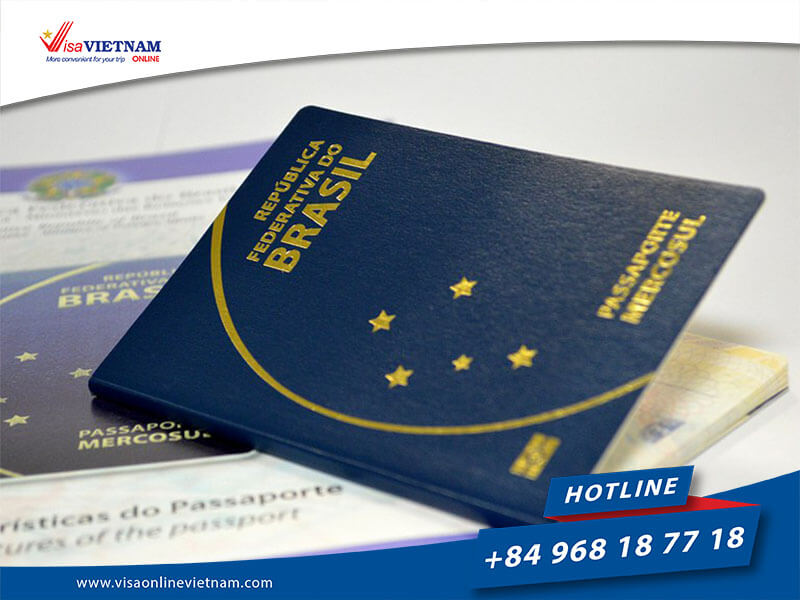
Traveling from the vibrant rhythms of Brazil—from the Amazon to the beaches of Rio—to the timeless beauty of Vietnam is a massive undertaking. Spanning nearly half the globe, this journey requires more than just endurance; it requires precise administrative preparation.
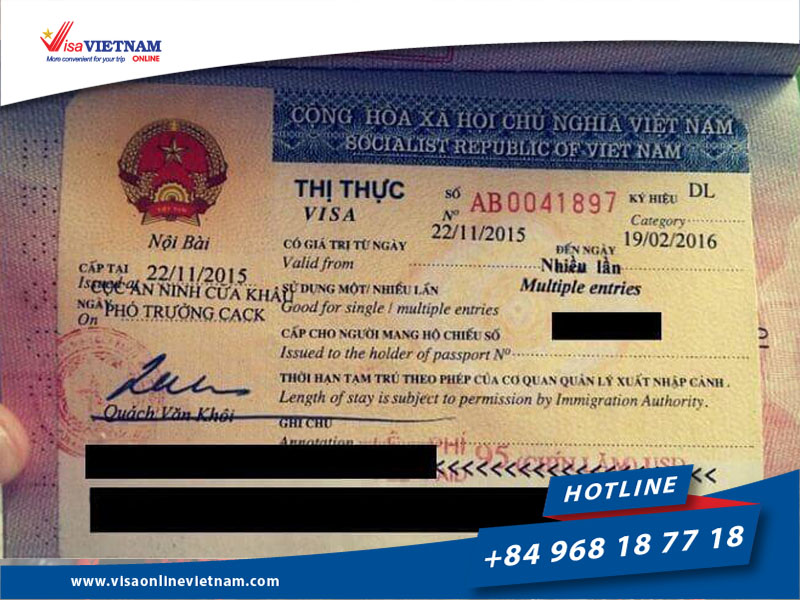
As of 2026, the Vietnam Visa on Arrival (VOA) remains a popular choice for Brazilian travelers, particularly those who find the E-visa portal technically challenging or those who require urgent, last-minute processing. This guide outlines everything a Brazilian citizen or resident needs to know about securing entry into the “Land of the Blue Dragon.”
1. What is the Vietnam Visa on Arrival (VOA)?
For those departing from São Paulo (GRU), Rio de Janeiro (GIG), or Brasília (BSB), the VOA is a method where you receive your visa stamp at a Vietnamese international airport rather than at an embassy.
The 2026 Context: VOA vs. E-visa
While the Vietnam E-visa is now the standard for tourism (allowing stays up to 90 days), the Visa on Arrival is often preferred by Brazilians for:
Emergency Travel: When you need a visa in 1–4 hours to catch a flight.
Business Sponsorships: For travelers invited by Vietnamese companies for long-term work or investment.
Group Travel: When a travel agency handles a bulk approval letter for a large family or tour group.
Important Note: You cannot simply arrive in Vietnam without any paperwork. You must have a Visa Approval Letter before boarding your flight in Brazil.
2. Requirements for Brazilian Citizens in 2026
To qualify for a VOA, you must meet the following baseline requirements. Any mismatch will result in the airline in Brazil denying your boarding.
Passport Validity: Your Brazilian passport must be valid for at least 6 months beyond your arrival date in Vietnam.
Approval Letter: A printed PDF document issued by the Vietnam Immigration Department (obtained via an agency like visaonlinevietnam.com).
Photos: Two recent 4x6cm photos (white background, no glasses).
Cash: Stamping fee paid in USD cash at the Vietnam airport.
3. Step-by-Step Guide: Applying from Brazil
Since the journey from Brazil usually takes 24–35 hours including layovers, follow these steps to ensure your visa is ready before you even pack your bags.
Step 1: Obtain the Approval Letter Online
Contact a verified service provider. You will need to provide:
Full name (exactly as it appears on your passport).
Passport number and expiry date.
Intended arrival date and port (e.g., Tan Son Nhat Airport – HCMC).
Step 2: Print the Documents
Do not rely on your smartphone. While Brazil is highly digital, the Immigration Officers at Hanoi or Da Nang airports require a physical copy of the Approval Letter to keep for their archives.
Step 3: Check-in at the Airport
When you check in at GRU or GIG, the airline staff (e.g., Qatar Airways, Emirates, or Turkish Airlines) will ask to see your visa or your Approval Letter. Without it, you will not be issued a boarding pass.
Step 4: Stamping at the Landing Visa Counter
Upon landing in Vietnam, look for the “Landing Visa” (Cấp thị thực tại chỗ) window before the passport control lines. Submit your passport, photos, and letter.
4. Fees and Processing Times (2026)
| Service Type | Processing Time | Estimated Cost (USD) |
| Standard Approval Letter | 2-3 Business Days | $20 – $30 (Service fee) |
| Urgent Approval Letter | 4-8 Business Hours | $50 – $80 (Service fee) |
| Emergency Approval Letter | 1 Business Hour | $100+ (Service fee) |
| Stamping Fee (Airport) | Instant | **$25 (Single) |
Geo-SEO Tip for Brazilians: Since the Brazilian Real (BRL) is not accepted at Vietnam airports, ensure you exchange your Reais for new, crisp US Dollar bills in Brazil. Any bill with a tear or ink mark will be rejected by the airport officers.
5. Travel Logistics: Flying from Brazil to Vietnam
There are no direct flights from Brazil to SE Asia. Your visa strategy must account for your Transit Points:
Via the USA (Miami/New York/LA): If you transit through the US, you will likely need a US Transit Visa (C-1) or a B1/B2 visa. The airline will verify your Vietnam visa paperwork during your first check-in in Brazil.
Via the Middle East (Doha/Dubai): These are the most popular routes for Brazilians. Qatar Airways and Emirates provide seamless connections to Ho Chi Minh City and Hanoi. Transit visas are usually not required for short layovers.
Via Europe (Madrid/Paris/Frankfurt): Excellent options if you wish to avoid US immigration. Ensure your Vietnam Approval Letter is ready, as European hub staff are strict about entry requirements for final destinations.
6. The Vietnam Embassy in Brazil
If you prefer a physical sticker visa in your passport before you leave, or if you need to legalize documents (like a Brazilian marriage certificate for a family visa), visit the mission in the capital.
📍 Address: SHIS QI 09 Conj. 10 Casa 1 – Lago Sul, Brasília/DF, CEP: 71625-100.
📞 Phone: +55 61 3364 5876
📧 Email: [email protected]
🌐 Website: https://vnembassy-brasilia.mofa.gov.vn/
7. Frequently Asked Questions (Q&A)
Q: Can I pay the stamping fee with a Brazilian credit card at the Vietnam airport?
A: No. Most Landing Visa counters only accept Cash (USD or VND).
Q: I am a Brazilian digital nomad currently in Thailand. Can I use VOA?
A: Yes! VOA is perfect for those flying in from neighboring countries like Thailand or Singapore. The process is the same—get your approval letter online first.
Q: What if I have a 5-year visa exemption?
A: Overseas Vietnamese in Brazil and their spouses/children are eligible for this. You must apply for the certificate at the Embassy in Brasília before traveling.