Traveling to Vietnam offers a rich tapestry of culture, history, and natural beauty. For residents of Central African nations, navigating the visa process may seem daunting, but understanding the ins and outs of the Vietnam Visa for Central African citizens can streamline your journey. Whether you’re planning a business trip, vacation, or visiting family, this comprehensive guide will help you grasp everything you need to know to obtain your Vietnam visa smoothly and efficiently.
The Vietnam Visa for Central African is a gateway to exploring Southeast Asia’s vibrant culture and lush landscapes. By understanding the latest requirements, application processes, and tips, you can ensure a hassle-free experience from preparing your documents to arriving in this beautiful country. Let’s dive into the details to help you turn your travel dreams into reality.
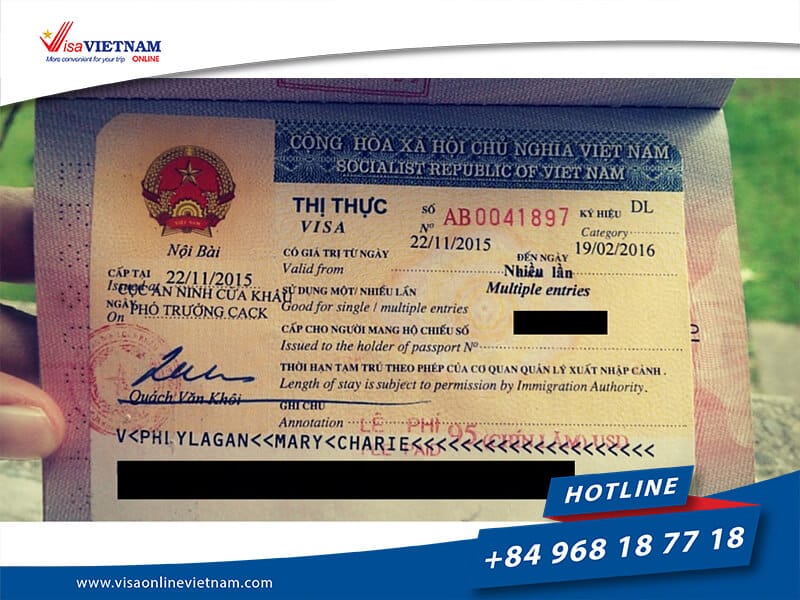
Navigating the Vietnam Visa Process for Central African Nationals
Traveling abroad involves meticulous planning, especially regarding visa requirements. The Vietnam visa process for Central African travelers is designed to ensure security while providing flexibility for different types of visitors. It’s essential to understand the various pathways available for obtaining your visa, including e-visas, visa on arrival, and embassy-based applications.
Most Central African citizens need a valid visa to enter Vietnam, unless they qualify for a visa exemption based on recent policy changes or specific bilateral agreements. To initiate the process, applicants must prepare essential documents, understand the eligibility criteria, and choose the most convenient application method for their circumstances. This section provides a comprehensive overview of these key elements to empower you to navigate the process confidently.
Understanding the latest regulations and procedures can significantly reduce processing delays and eliminate common pitfalls. For example, if you plan to visit Vietnam for tourism, the visa on arrival might suit your needs; for business trips, embassy applications could be more appropriate. Familiarizing yourself with these options ensures you select the most suitable pathway, streamlining your travel plans.
The Different Types of Vietnam Visas Available for Central Africans
When planning your trip to Vietnam, it’s crucial to understand the various visa types suited to your purpose of visit. Each visa type varies in duration, application process, and eligibility criteria, so selecting the right one can make your travel experience smoother.
Tourist visas are the most common for travelers aiming to explore Vietnam’s natural beauty, bustling cities, and cultural sites. They typically offer a validity of 30 to 90 days, with single or multiple entries depending on your needs. For Central African travelers, issuing a tourist visa often involves either an application at the Vietnamese embassy or an online e-visa, which is increasingly popular due to its convenience.
Business visas cater to professionals, entrepreneurs, or investors traveling for networking or investment purposes. These visas usually require additional documentation, such as invitation letters from Vietnamese companies. It’s wise to confirm if your trip qualifies under a business category before applying, as eligibility and processing times may differ.
Student visas are necessary if you plan to study in Vietnam. These visas require acceptance letters from Vietnamese educational institutions and additional paperwork to prove financial and academic preparedness. Student visas tend to have longer durations and specific renewal procedures, so early planning is advisable for prospective students from Central Africa.
Finally, diplomatic and official visas are reserved for government officials or representatives of international organizations. These entail a distinct application process, often coordinated through official channels. Understanding these distinctions ensures Central African travelers select the correct visa type for their purpose, saving time and energy during the application process.
How to Apply for a Vietnam Visa – Step-by-Step Guide for Central African Citizens
Applying for a Vietnam visa involves a structured process that varies depending on the application method chosen—be it through an embassy, visa on arrival, or e-visa. Each pathway has specific steps, but the aim is to simplify the procedure, making it accessible for Central African travelers.
The first step is determining the most suitable visa type for your purpose of visit. Once identified, gather all necessary documents such as your passport with a minimum of six months validity, recent photographs, application forms, and possibly proof of funds or accommodation bookings. Ensuring these documents are complete and accurate can prevent delays or rejections.
For embassy applications, contact the nearest Vietnamese diplomatic mission in your country or region. Schedule an appointment, submit your documents, and pay the required visa fee. The processing time can vary from a few days to a couple of weeks, so plan your application well in advance of your travel date. During this process, it’s important to verify the latest requirements and fee schedules to avoid unnecessary complications.
Visa on arrival is a convenient alternative for travelers who prefer to apply online. You must complete an online form, pay a service fee, and receive a confirmation letter. Upon arrival at selected Vietnamese airports, present this letter along with your passport and photographs for stamp issuance. This method is faster but requires that your travel itinerary be confirmed beforehand. Applying for an e-visa is similar; applicants fill out an online application, upload digital documents, and await approval within a few days.
Regardless of the method, double-check all documents before submission, follow official guidelines closely, and remain aware of any updates to visa policies. Proper preparation and adherence to instructions are vital to ensure a smooth application process for the Vietnam Visa for Central African citizens.
Essential Tips for a Successful Vietnam Visa Application
Ensuring a successful visa application involves more than just submitting documents. It requires attention to detail, understanding the nuances of Vietnamese regulations, and preparing ahead for any unforeseen issues. This section outlines practical tips to enhance your chances of securing a Vietnam visa smoothly.
One common mistake is submitting incomplete or incorrect paperwork. Double-check that all forms are filled correctly, photographs meet specifications, and supporting documents are valid and recent. For instance, some applicants overlook the passport validity criterion, which demands at least six months beyond your planned departure date. Ensuring all your documents are in order can markedly increase your approval chances and reduce processing time.
Timing is also crucial. Apply well in advance of your intended travel date, especially during peak seasons or holidays when processing times may extend. In the case of visa on arrival, ensure your online application is completed accurately and payment is made promptly. Avoid last-minute applications to prevent unnecessary stress and complications.
Understanding the latest travel advisories and health guidelines, especially in Post-Pandemic times, can prevent unexpected issues upon arrival. Some countries impose additional requirements such as health declarations or quarantine measures. Check the official Vietnamese immigration website regularly for updates relevant to Central African travelers.
Finally, consider engaging with reputable visa agencies if you encounter language barriers or need personalized assistance. These agencies can streamline the process, provide expert guidance, and ensure all steps are correctly followed. With meticulous planning and attention to detail, you can secure your Vietnam visa efficiently, opening the door to an unforgettable Asian adventure.
Frequently Asked Questions about Vietnam Visa for Central African Citizens
What are the current visa requirements for Central African travelers to Vietnam?
Central African travelers typically need a valid passport, a completed application form, passport-sized photos, and proof of travel arrangements like flight tickets and hotel reservations. Depending on your chosen application method—online e-visa, visa on arrival, or embassy application—you may also need invitation letters or additional documents. It’s advisable to check the latest requirements from official Vietnamese immigration sources before applying.
Can Central Africans apply for Vietnam visa online?
Yes, many Central African citizens are eligible for a Vietnam e-visa, which allows for straightforward online application and quick approval. The e-visa is valid for tourism or short-term visits and simplifies the process without needing to visit an embassy. However, eligibility criteria and the list of eligible countries may change, so verifying the current status is essential.
How long does it take to get a Vietnam visa for Central Africans?
Processing times vary depending on the method of application. Visa on arrival applications usually take a few business days once approved, while e-visas are often issued within 3 to 5 days. Embassy applications may take longer, ranging from one week to more than ten days. Planning ahead is vital to avoid last-minute issues.
Is there a visa exemption for Central African nationals visiting Vietnam?
Generally, Central African citizens require a visa to enter Vietnam unless they hold dual citizenship or qualify for special bilateral agreements. Visa exemption policies can change, so it’s important to verify the latest updates through official channels before planning your trip.
What should I do if my Vietnam visa application is rejected?
If your visa application is rejected, review the rejection reasons carefully. It may be due to incomplete documents, incorrect information, or eligibility issues. Reapplying with corrected documents or seeking assistance from a reputable visa agency can improve your chances. Always maintain communication with the issuing authority and ensure all requirements are met next time.
Conclusion
Embarking on a journey to Vietnam as a Central African traveler can be exciting and rewarding, provided you understand the visa requirements and application procedures. Whether opting for an e-visa, visa on arrival, or embassy application, proper preparation, and awareness of the latest regulations are vital to securing your Vietnam Visa for Central African efficiently. With thorough planning, attention to detail, and the right approach, you can enjoy a seamless process and focus on experiencing Vietnam’s vibrant culture, stunning landscapes, and warm hospitality. As you prepare your documents, double-check eligibility criteria, and stay informed with official updates, your dream trip to Vietnam becomes an attainable reality, unlocking a world of exploration and adventure.
Over the past 23 years in the travel service industry, the growth and success of TRANSOCEAN have stemmed not only from the dedication of our well-trained, enthusiastic, and customer-oriented staff, but also from the exceptional leadership of our Founder and CEO, Mr. STANLEY HO. With more than 20 years of experience in the travel and tourism sector, Mr. STANLEY HO possesses profound knowledge of the market, customer behavior, and modern travel trends. His strategic vision has guided the company toward sustainable growth while maintaining a strong commitment to service quality.