Traveling from New Zealand to Vietnam promises an adventure full of vibrant culture, stunning landscapes, and historical landmarks. However, before packing your bags, understanding the Vietnam Visa Requirements for New Zealand citizens is crucial to ensure a hassle-free journey. This comprehensive guide will walk you through the essential documentation, application procedures, and tips to facilitate your visa process smoothly.
Understanding the Basics of Vietnam Visa Requirements for New Zealand Citizens
Before diving into detailed procedures, it’s vital to grasp the fundamental aspects of what Vietnam requires from New Zealand travelers. The Vietnamese government maintains specific policies to regulate entry, primarily to enhance security and streamline travelers’ entry procedures.
The Vietnam Visa Requirements for New Zealand citizens vary depending on the purpose and duration of your visit—whether it’s tourism, business, or family visits. Most travelers need a valid visa unless they qualify for exemption under particular circumstances. The core requirements encompass citizenship verification, return or onward travel tickets, proof of accommodation, and sufficient funds to cover your stay.
Vietnam’s visa regulations are periodically updated, which means staying informed about current rules is necessary. For New Zealand passport holders, recent policies reveal a mix of visa exemption options and visa-on-arrival provisions, offering flexibility depending on individual travel plans. Knowing these rules ahead of time can save you time and prevent unforeseen complications.
Types of Vietnam Visas Available for New Zealand Citizens
Vietnam offers various visa types tailored to different traveler needs. Knowing which visa suits your purpose is vital to avoid delays or additional documentation requests. The most common visa options for New Zealand citizens include tourist visas, business visas, and e-visas.
Selecting the correct visa type depends on your trip’s intent, duration, and activities planned. For instance, a tourist visa generally permits stays of up to 30 days, while business visas may extend longer for work-related travel. E-visas have become increasingly popular as they streamline the process—allowing travelers to apply online without visiting an embassy physically.
Understanding the distinctions among each type empowers New Zealand travelers to make informed decisions, minimizing the risks of rejection or legal issues upon arrival. Ultimately, choosing the right visa ensures compliance with Vietnam’s regulations and smooth entry into the country, enriching your travel experience.
Tourist Visa – Your Gateway to Vietnam’s Scenic Wonders
A tourist visa is the most common choice among New Zealand citizens visiting Vietnam for leisure. It allows travelers to explore the country’s bustling cities, serene beaches, and lush countryside.
To obtain this visa, you must provide documents such as your valid passport, proof of onward travel, and hotel reservations or invitation letters if staying with friends or family. The application process can be completed via Vietnam embassios/w/ts or through the online e-visa platform if eligible, depending on current policies.
While Vietnam’s tourist visa typically permits stays of up to 30 days, extensions may be available depending on circumstances. It’s essential to ensure your passport has at least six months’ validity beyond your planned departure date. Being well-prepared with accurate documents expedites approval and helps you avoid last-minute hurdles at the border.
Business Visa – For Entrepreneurs and Professional Travelers
If your visit to Vietnam involves business meetings, conferences, or potential investments, a business visa is essential. This visa type often requires sponsorship from a Vietnamese organization or company, which supports your application with official documents.
Applicants are expected to submit business invitation letters, company registration documents, and proof of accommodations. The process might involve additional verification steps, especially for longer stays or multiple entries.
Having a valid business visa ensures you can engage in professional activities legally and comfortably. It also fosters trust between you and Vietnamese authorities, enabling smoother interactions during your trip. Paying attention to the specific requirements for your business visa application can prevent delays and ensure compliance with Vietnamese regulations.
E-Visas – Fast Track for Eligible New Zealand Travelers
Vietnam’s e-visa program has become a game-changer, especially for travelers seeking speed and convenience. e-Visas are issued electronically, eliminating the need to visit an embassy or consulate physically.
To qualify for an e-visa, New Zealand citizens must meet eligibility criteria, including nationality, travel purpose, and biometric verification. The application involves submitting personal details, passport information, and passport-sized photographs online, with fees paid digitally.
Once approved, travelers receive an electronic visa document, which they present upon arrival. This process significantly reduces processing time, often taking just three business days. Not all nationalities or regions are eligible for e-visas; hence, verifying your eligibility beforehand is critical.
E-visas are typically valid for a 30-day single entry, fitting well for short-term leisure trips. By opting for an e-visa, New Zealand travelers can enjoy a seamless entry experience, saving time and reducing administrative burdens.
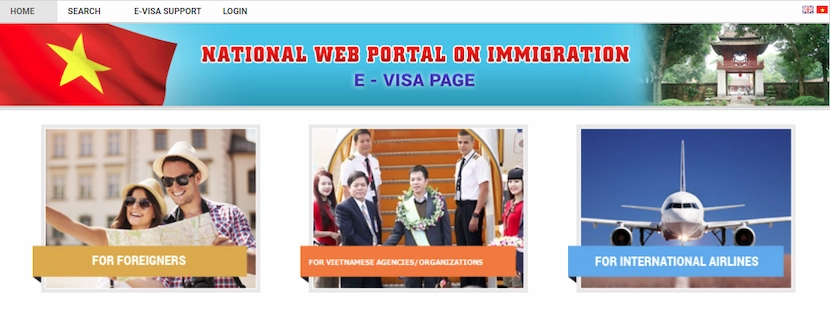
Step-by-Step Guide to Apply for a Vietnam Visa for New Zealand Citizens
Navigating the application process for a Vietnam visa can seem complex at first glance, but understanding each step demystifies the process. By adhering to clear procedures, New Zealand citizens can secure their visas efficiently and with confidence.
The process begins with determining the most suitable visa type for your travel purpose—be it tourist, business, or e-visa. Once chosen, gather all required documents, including your passport with necessary validity, photographs, supporting letters if applicable, and completed application forms.
For visa applications through embassies or consulates, schedule an appointment, pay the applicable fees, and submit your documents. Alternatively, for e-visas, complete your online application via the designated platform, ensuring all details are accurate.
After approval, which may take anywhere from a few days to a week depending on the method, you will receive your visa documentation. Print a copy if necessary, and carry it along with your passport to present upon arrival in Vietnam. Remember that visa extensions or modifications may require additional procedures, so plan ahead if your trip exceeds initial plans.
Important Tips for a Successful Visa Application
One of the critical factors in ensuring your Vietnam visa application is accepted smoothly is thorough preparation. Double-check all documents for accuracy, especially your passport details and photographs. Missing or incorrect information can lead to delays or refusals.
Additionally, maintain copies of all correspondence and receipts related to your visa application. If applying through an agent or visa service, choose reputable providers with positive reviews to guarantee professionalism and efficiency.
Being aware of Vietnam’s current visa policies, especially regarding COVID-19 travel restrictions or updates, is vital. Regulations change periodically, and staying informed prevents unwelcome surprises during your journey. By following these detailed steps and tips, New Zealand travelers can embark on their Vietnamese adventure with confidence and peace of mind.
Vietnam Visa Requirements for New Zealand Citizens – FAQs
What documents are necessary for a Vietnam tourist visa application?
You will typically need a valid passport with at least six months of validity remaining, completed visa application form, passport-sized photographs, proof of onward travel, and hotel reservations or invitation letters.
Can New Zealand citizens apply for Vietnam e-visas?
Yes, New Zealand citizens are eligible to apply for Vietnam e-visas, provided they meet the government’s requirements, including nationality and travel purpose.
How long does it take to process a Vietnam visa for New Zealand travelers?
Processing times vary depending on the application method—e-visas generally take about three working days, while embassy visas may take between five to ten days.
Is there a visa exemption for New Zealand citizens visiting Vietnam?
Currently, New Zealand citizens are not visa-exempt; they must obtain a visa via the appropriate channels unless they qualify under specific bilateral agreements or are eligible for visa exemptions due to special circumstances.
Are there any age restrictions for visa applications?
There are no specific age restrictions for visa applications, but applications for minors or travelers under 18 may require additional documentation, such as birth certificates or parental consent forms.
Conclusion
Understanding the Vietnam Visa Requirements for New Zealand citizens is essential for ensuring a smooth entry into Vietnam. Whether applying for a tourist, business, or e-visa, being well-informed about the documentation, procedures, and options available can significantly minimize travel stress. Staying updated with Vietnam’s official policies and carefully preparing your application materials can facilitate your journey, allowing you to explore Vietnam’s breathtaking landscapes, rich history, and vibrant culture without unnecessary delays. Proper planning and adherence to regulations will enable New Zealand travelers to embark on their Vietnamese adventures confidently, making their experience both enjoyable and memorable.
Over the past 23 years in the travel service industry, the growth and success of TRANSOCEAN have stemmed not only from the dedication of our well-trained, enthusiastic, and customer-oriented staff, but also from the exceptional leadership of our Founder and CEO, Mr. STANLEY HO. With more than 20 years of experience in the travel and tourism sector, Mr. STANLEY HO possesses profound knowledge of the market, customer behavior, and modern travel trends. His strategic vision has guided the company toward sustainable growth while maintaining a strong commitment to service quality.